A guide to salt cod and Spanish anchovies
Read the fish label, choose the right product and use a simple method for a stable pil-pil.
Read the label before you buy
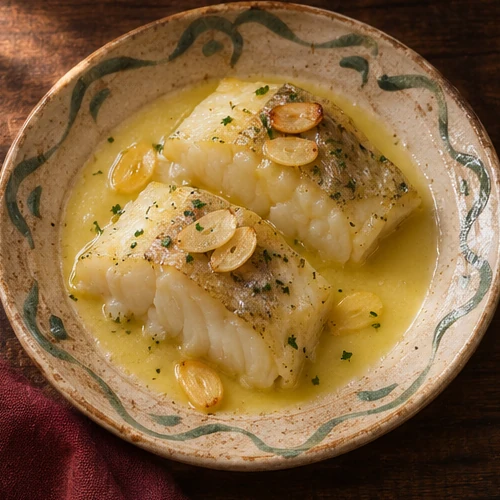
A dry salted loin usually needs soaking in cold water in the refrigerator. Follow the packet for timing and water changes, since thick pieces and thinner scraps need different preparation. Keep the skin if making pil-pil: liquid released during cooking helps the oil emulsify.
A refrigerated product labeled desalted saves preparation time, but check whether it is intended to be cooked. For an uncooked salt cod salad, buy a product specifically labeled ready to eat and use it within the indicated storage period.
Work slowly with pil-pil
Start with gently flavored garlic oil. When the cod is cooked, the cloudy liquid it releases is the beginning of the sauce. Whisk it off the heat and add warm oil a little at a time. If the sauce separates, begin a fresh emulsion with a little more cloudy liquid and whisk the separated sauce back in gradually.
Make the adjustment before returning the cod to the pan. It is easier to work with the sauce while the fragile fish rests on a warm plate.
Know which anchovy you need
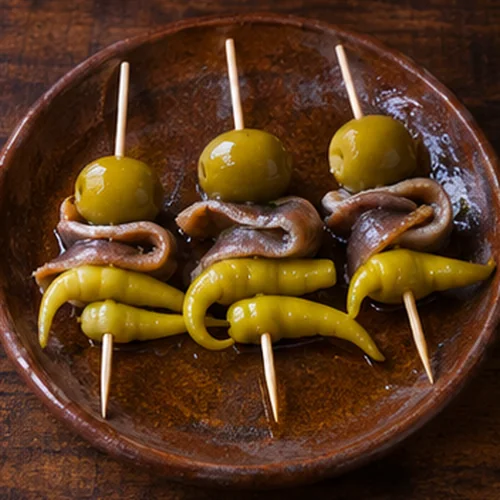
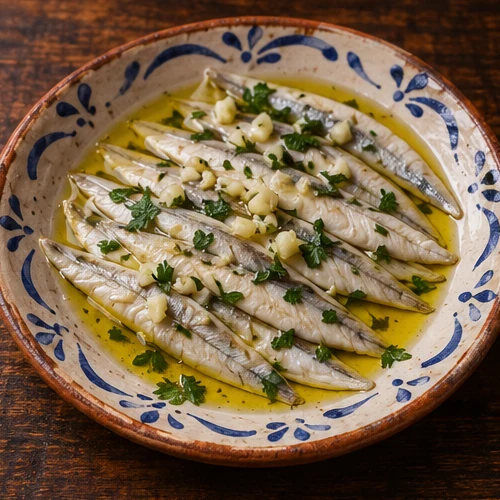
The smoky-looking brown fillets used in gildas are cured anchovies, usually sold in oil. Boquerones en vinagre are pale and bright, with a fresh anchovy flavor. For a home vinegar marinade, buy fish commercially frozen for preparation without cooking. Vinegar by itself does not eliminate anisakis parasites. Thaw the fish in the refrigerator and keep the prepared dish cold.